A Jazz-Filled Animation Classic

Bringing together the talents of Cab Calloway's scat singing and the animated charm of Betty Boop, the 1933 Fleischer Studios cartoon "Old Man of the Mountain" presents a unique blending of musical prowess and early animation. Marking Betty Boop's fiftieth screen appearance, the cartoon opens with an engaging performance by Cab Calloway and His Orchestra.
Live-Action Meets Animation
Unlike the surprise live-action footage in "Minnie the Moocher," Cab Calloway is fully prepared in this feature. Dressed in immaculate white uniforms, with Cab's slicked-back hair and Leroy Maxey's playful drumstick antics, the orchestra perfectly transitions from "Minnie the Moocher" to "The Old Man of the Mountain," seamlessly connecting the real world with the animated escapades that follow.
A Fable of Fear and Fun

Within the cartoon, an animal community spirals into panic at the mention of the Old Man of the Mountain. The ensuing chaos leads to an evacuation, depicted with humorous exaggerations of the animal characters' eagerness to flee. Betty Boop, residing at a Tourist House, remains unaffected by the commotion until a peculiar owl alerts her to the looming presence of the Old Man. In song, the owl – voiced by Cab Calloway – describes the mysterious figure with clever lyric changes to heighten his menacing aura.
The Unusual Encounter
Undeterred by warnings, Betty sets off on an eventful journey up the mountain. Along her path, she meets a distraught hippopotamus with quintuplets mimicking the Old Man's peculiar traits. The confrontation within the mountain cave gives rise to musical duets and solos, showcasing Betty's fearlessness and Calloway's vocal dexterity as they execute a playful rendition of "You Got to Hi-De-Hi."
Rotoscoping and Visual Artistry
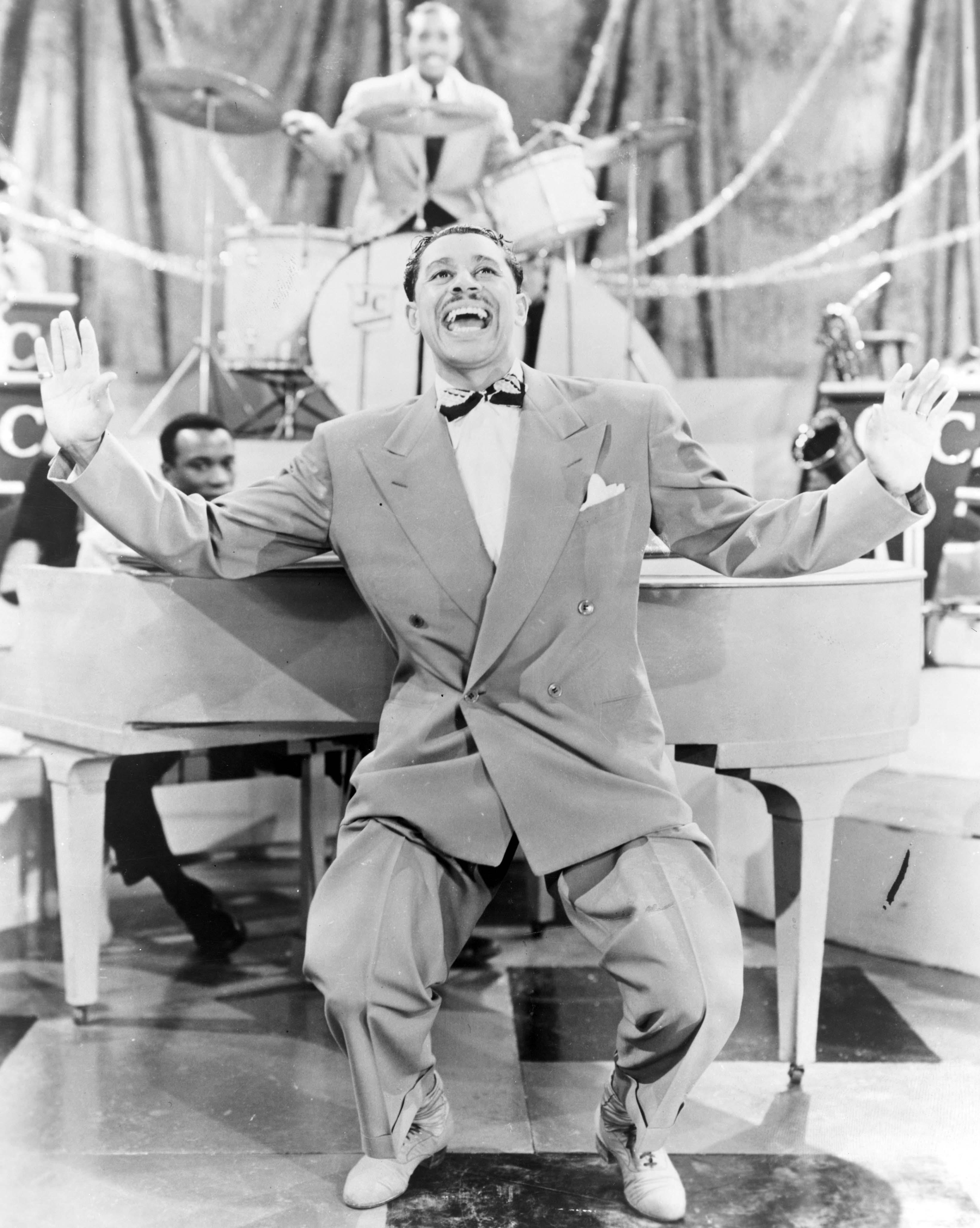
Rotoscoping, a technique where animators trace over live footage, was used to translate Calloway's energetic dance moves onto the character of the Old Man. This innovative approach lent authenticity to the cartoon, capturing the rhythm and movements of the Jazz Age along with the creepy aesthetic of caves and skeletons – a common backdrop in Calloway's animated performances.
Ending with a Scat
Climaxing with an intense chase scene accompanied by Calloway's virtuosic scat singing from "The Scat Song," the cartoon exemplifies an orchestra of emotions, concluding with the Old Man's humbled "umngph!" as the animal residents work together to rescue their beloved Betty Boop.
Cultural Legacy of a Classic
Though the animation and plot may not be as sophisticated as some of its contemporaries, "Old Man of the Mountain" remains a valuable artifact. The cartoon immerses viewers in the period's zeitgeist, forever engraining the collaboration of Cab Calloway's scat singing with the whimsical world of Betty Boop upon the canvas of animation history.
Escapism in Animation and Travel
The allure of adventure calls to many, much like Betty Boop's journey in the cartoon. In today's world, the spirit of exploration translates into the pursuit of travel, where one can experience the unfamiliar and the fantastical. Seeking out those cherished, nostalgic locales that speak to the history, much like seeking out the Old Man on the mountain, becomes a form of modern escapism. Tourist houses and getaway spots provide travelers the opportunity to step into a world of their own, discovering tales and adventures as riveting as Betty's in the comfort of every destination they visit.